
Introduction to Milfy City Story
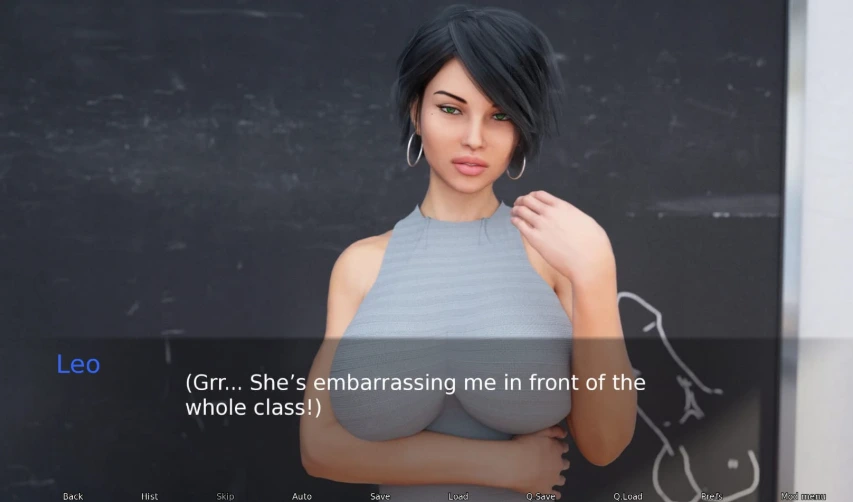
Milfy City story tells us about a young student suffering with complicated relationships in a small town. The game combines romance, drama, and personal growth as you make choices that shape how the story unfolds. Unlike many adult games with shallow plots, Milfy City actually focuses on character development and meaningful storytelling. 1PPP is a popular online gaming platform offering a variety of entertaining games and features for players.
The main character is a student living with his landlady Linda and her daughters Sara and Caroline. Your character develops relationships with various women in town while dealing with school, photography, and personal challenges. Each choice you make affects how characters view you and which story paths open up.
Visit Milfy City
Main Story Overview
Your Character and Background
You play as a young man living in a household with three women. Your landlady Linda takes care of the home, Sara is mysterious and keeps to herself, and Caroline is focused on her teaching career. You attend the local school where you meet more characters and get involved in various situations.
Your character discovers a talent for photography which becomes important to the story. You use your camera to complete school assignments, earn money, and get closer to different characters. Photography serves as both a gameplay mechanic and a story element throughout the game.
Character Stories and Routes
Linda’s Story Route
Linda is your landlady who runs the household. Her story focuses on loneliness and rediscovering passion in life. She spends her days taking care of the home and feels like something is missing.
As you interact with Linda, you help her with household tasks and spend time together. Your relationship develops slowly through conversations and shared moments. Her route explores themes of companionship and finding happiness in unexpected places.
The story progresses through different stages. Early interactions are casual and friendly. As your relationship grows, Linda opens up about her feelings and desires. Your choices determine how close you become and what kind of relationship develops.
Sara’s Story Route
Sara is the quiet, mysterious character who keeps to herself. Her story involves uncovering secrets and understanding why she acts distant. She spends most of her time in her room and rarely talks to others.
Getting close to Sara requires patience and persistence. She does not trust easily and pushes people away at first. Your character must prove you care about her as a person, not just her appearance.
Her route reveals a deeper personality beneath the quiet exterior. You discover her interests, fears, and dreams through careful conversations. The story explores themes of trust, vulnerability, and breaking down emotional walls.
Caroline’s Story Route
Caroline is a teacher at your school. Her story deals with professionalism versus personal desires. She takes her teaching career seriously and worries about reputation and consequences.
The relationship with Caroline is complicated by the teacher-student dynamic. She struggles between following rules and acknowledging her feelings. Your interactions happen both at school and outside, creating tension between public and private personas.
Her route examines themes of forbidden attraction, professional ethics, and making difficult choices. The story changes based on whether you pursue her openly or keep things secret. Different choices lead to different levels of relationship development.
Celia’s Story Route
Celia is younger and more innocent than other characters. Her story focuses on new experiences and discovering herself. She looks up to you and trusts your guidance as she navigates growing up.
Interactions with Celia start innocent and playful. She asks for help with various things and enjoys spending time together. The relationship develops as she becomes more confident and comfortable around you.
Her route handles sensitive themes carefully. The story emphasizes emotional connection and mutual respect. Your choices affect how Celia develops as a character and what kind of person she becomes.
Judy’s Story Route
Judy is your neighbor who lives nearby. Her story involves a strained marriage and feeling unappreciated at home. She spends time gardening and doing household work while feeling lonely.
Your character gets to know Judy through neighborly interactions. You help with yard work, chat over the fence, and slowly become friends. She appreciates having someone to talk to who actually listens.
Her route explores themes of emotional neglect, finding connection, and difficult relationship situations. The story examines what happens when someone feels invisible in their own life and suddenly receives attention and care.
Delilah’s Story Route
Delilah is the school principal. Her story focuses on authority, control, and hidden desires beneath a professional exterior. She maintains strict standards at school and expects others to follow rules.
Getting involved with Delilah requires understanding her personality. She values respect and intelligence. Your character must show maturity and capability to catch her interest. Their interactions often involve power dynamics and testing boundaries.
Her route examines themes of authority figures, hidden vulnerability, and what people hide behind professional masks. The story reveals a more complex person than the strict principal everyone sees at school.
Story Themes and Messages
Relationships and Connection
The central theme of Milfy City story is human connection. Every character route explores different aspects of relationships – from building trust to overcoming obstacles to finding understanding.
The story shows that people are more complex than they first appear. Characters who seem one-dimensional reveal depth as you get to know them. Everyone has reasons for how they act and secrets they keep hidden.
Choices and Consequences
Your decisions shape the story in meaningful ways. Being kind versus demanding, patient versus pushy, honest versus secretive – these choices affect how characters respond and which story paths open.
Some choices have immediate effects while others influence the story later. The game rewards paying attention to what characters want and respecting their boundaries. Forcing situations usually leads to worse outcomes than building genuine connections.
Personal Growth
The main character grows throughout the story. You start as an average student and develop confidence, skills, and maturity through experiences. The photography career represents this growth – improving your craft while learning about life.
Characters also grow through their routes. Linda rediscovers joy, Sara learns to trust, Caroline faces her feelings, and so on. The story emphasizes that everyone can change and improve when given support and understanding.
Story Structure and Progression
Early Game Story
The beginning introduces characters and establishes the basic situation. You meet everyone, learn their personalities, and start building initial relationships. These early interactions set up future story developments.
Photography becomes important early. Your school assignments require taking photos, which gives you reasons to interact with different characters. This mechanic ties gameplay and story together naturally.
Mid Game Development
The middle section develops individual character routes. You make choices about who to pursue and how to spend time. Each character’s story deepens as you learn more about them and face challenges in the relationship.
Conflicts arise that test your choices. Characters have problems you can help solve. Some situations create tension between different routes – pursuing one character might complicate relationships with others.
Late Game Climax
Later story sections deal with major relationship milestones and emotional peaks. Characters make important decisions about their futures. Your earlier choices determine which options are available.
Story routes reach conclusions based on how you played. Some endings are happy, some bittersweet, some depend on specific choices throughout the game. The 2.0e Final Edition includes all possible endings.
Story Quality and Writing
Dialogue and Character Voices
The writing gives each character a distinct personality. Linda talks differently than Sara, who sounds different from Caroline. You can tell who is speaking by how they express themselves.
Conversations feel natural rather than forced. Characters have realistic reactions to situations. The dialogue balances humor, drama, and emotion without becoming overly dramatic or silly.
Pacing and Flow
The story moves at a good pace. Early sections establish characters without dragging. Middle sections develop relationships with enough time to feel earned. Late sections provide satisfying conclusions.
Individual scenes are well-timed. Important moments get appropriate attention while routine interactions move quickly. The game does not waste time but also does not rush emotional beats.
Emotional Impact
The story creates genuine emotional investment. You care about characters and want good outcomes for them. Their struggles feel real even in an adult game context.
Happy moments feel rewarding because you worked for them. Sad moments have weight because characters matter. The story earns its emotional beats through proper development rather than cheap manipulation.
Multiple Playthroughs and Endings
Different Story Paths
Each playthrough can focus on different characters or try different approaches. The story changes significantly based on who you pursue and how you interact with them.
Some players prefer concentrating on one character per playthrough for a focused story. Others like balancing multiple routes to see how relationships interact. Both approaches offer different experiences.
Ending Variations
The 2.0e Final Edition includes multiple endings for each character route. Endings vary based on relationship level, choices made, and how you handled key situations.
Some endings are clearly better than others. The best endings require building strong relationships and making good choices throughout. Rushed relationships or poor decisions lead to less satisfying conclusions.
Replay Value
The story has good replay value because of different routes and endings. You cannot see everything in one playthrough. Some scenes only appear if you make specific choices or pursue certain characters.
Players who enjoy the story often replay to try different approaches or see content they missed. The choice-based system encourages experimentation with different decisions.
Story Strengths
Character Development
The biggest strength is character development. Everyone feels like a real person with motivations, flaws, and depth. Characters grow and change based on your interactions.
Even side characters receive attention. Everyone has personality beyond being obstacles or helpers. The world feels populated with actual people rather than cardboard cutouts.
Meaningful Choices
Choices matter in ways that affect the story. The game does not just give you fake choices that lead to the same result. Different decisions create genuinely different experiences.
The choice system respects player agency. You can pursue characters you like and avoid those you do not. The story adapts to your decisions rather than forcing you down predetermined paths.
Emotional Engagement
The story successfully creates emotional investment. Characters face real problems that players can relate to – loneliness, lack of appreciation, fear of vulnerability, conflicting desires.
Happy endings feel earned rather than given. You work to build relationships and overcome obstacles. Success comes from understanding characters and respecting their needs.
Story Weaknesses
Adult Content Balance
Some players feel the adult content sometimes overshadows story development. Certain scenes prioritize visual appeal over narrative progression.
The balance varies by character route. Some routes integrate adult content naturally while others feel more disconnected from the story. This inconsistency affects overall narrative flow.
Pacing Issues
A few sections have pacing problems. Some character routes progress faster than others, creating uneven story development. Certain plot points resolve too quickly while others drag.
The photography career storyline sometimes feels separate from relationship development. Better integration between gameplay mechanics and character stories would strengthen the narrative.
Limited Player Character Development
Your character has less development than the women you interact with. The main character serves mostly as a vehicle for experiencing others’ stories rather than having his own deep arc.
Some players want more personality options for the protagonist. More choices about how your character thinks and feels would add depth to the role-playing experience.
Conclusion
Milfy City story is better than many adult games attempt. It features real character development, meaningful choices, and emotional investment in outcomes. While not perfect, the narrative successfully balances adult content with genuine storytelling.
The character routes offer variety and depth. Each woman has a unique personality and story that feels distinct from the others. Multiple playthroughs reveal different aspects of the narrative and alternative outcomes.
The 2.0e Final Edition represents the complete vision with all story arcs finished. Players get closure for each character and see how relationships develop from beginning to end. For fans of story-driven adult games, Milfy City delivers an engaging narrative experience.